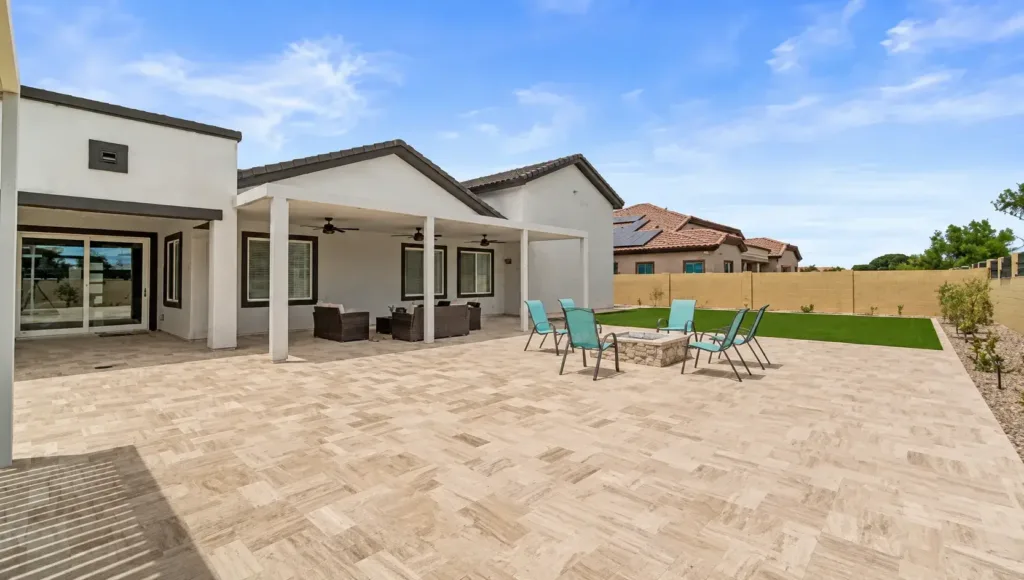
Xeriscaping in Arizona: Why It’s a Smart Choice for Your Landscape
Read More about Xeriscaping in Arizona: Why It’s a Smart Choice for Your Landscape

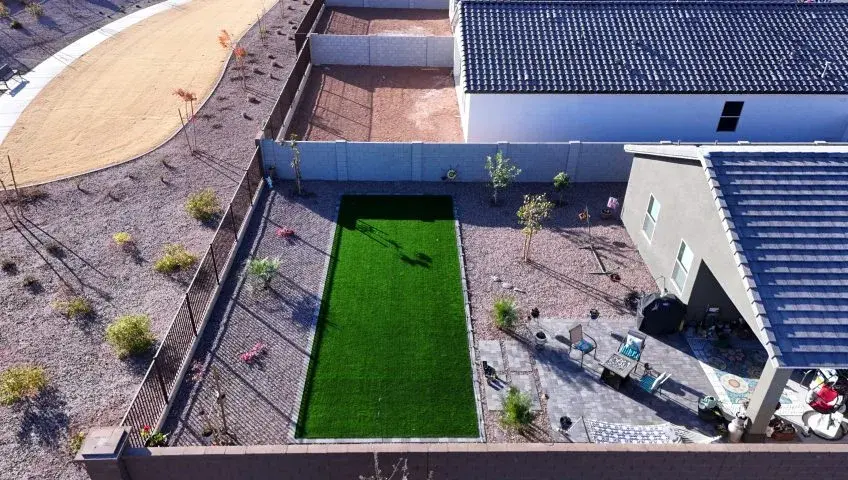
Arizona summers can be tough on landscapes. With triple-digit temperatures and limited rainfall, maintaining a lush outdoor space can require significant water, maintenance, and expense.
Fortunately, a beautiful Arizona landscape doesn’t have to mean excessive water use. By choosing desert-friendly plants, improving irrigation, incorporating hardscaping, and designing around the climate, you can create an outdoor space that’s attractive, functional, and more water-efficient.
Not every plant is suited for Arizona’s extreme summer conditions. Instead of constantly watering plants that struggle in the desert, incorporate native and drought-tolerant varieties that naturally require less water.
Some great options include:
Agave
A recognizable desert plant that’s attractive, hardy, and relatively low-maintenance.
Desert Marigold
Bright yellow blooms provide color while complementing a desert landscape.
Red Yucca
A hardy flowering plant that performs well in desert conditions and attracts hummingbirds.
Lantana
A drought-tolerant option that provides vibrant blooms and color throughout the landscape.
Choosing plants suited to the local climate can reduce watering needs while creating a landscape that feels naturally at home in Arizona.
Maintaining large areas of natural grass in Arizona can require substantial amounts of water. Xeriscaping offers an alternative approach by designing landscapes specifically around water conservation.
Instead of relying heavily on grass, consider replacing portions of the lawn with decorative gravel, decomposed granite, or river rock.
Drought-resistant plants can then be strategically incorporated throughout the landscape to provide color, texture, and visual interest.
Adding shaded gathering areas with native trees or pergolas can further improve the space while providing relief from the Arizona sun.
The result is a landscape that requires less water and ongoing maintenance without sacrificing appearance or functionality.
Traditional sprinklers can lose water to evaporation, particularly during Arizona’s hot, dry summers. A drip irrigation system delivers water directly to the root zones of plants, helping put water where it’s needed most.
Timing matters as well. Watering early in the morning or later in the evening can help reduce evaporation compared with watering during the hottest part of the day.
A thoughtfully designed irrigation system can help maintain a healthy landscape while making more efficient use of water.
Arizona may be known for its dry climate, but monsoon season can bring significant rainfall. Designing your landscape to make better use of that water can help reduce unnecessary runoff.
Rain Barrels
Collect and store rainwater that can later be used throughout the landscape.
Permeable Pavers
Allow water to move through the surface and into the ground rather than immediately running into streets and drainage areas.
Even relatively simple changes can help your property take better advantage of naturally available water.
Hardscape elements can add structure, functionality, and visual interest to a landscape without increasing its watering requirements.
Stone Pathways
Create defined routes through the property while adding texture and character.
Decorative Boulders
Introduce natural focal points that complement Arizona’s desert environment.
Patios & Pavers
Expand your usable outdoor living space while reducing the amount of planted or grass-covered area that requires regular watering.
Combining hardscaping with thoughtfully placed plants can create a balanced landscape that feels finished without relying on excessive vegetation.
For homeowners who want the appearance of a green lawn without the watering and maintenance associated with natural grass, artificial turf can provide an alternative.
Quality artificial turf can provide years of consistent appearance without mowing or routine irrigation.
However, turf can become hot when exposed to direct Arizona sunlight. Consider its placement carefully and incorporate nearby shade from trees or other landscape features where appropriate.
Creating shade is another important part of designing for Arizona’s climate. Desert-friendly trees such as Palo Verde and Mesquite can provide natural shade while contributing to the overall landscape.
Mulch can also help plants manage hot, dry conditions by:
Together, shade and proper ground coverings can help create better growing conditions throughout the landscape.
Water conservation doesn’t mean giving up a beautiful outdoor space. It means choosing materials, plants, and landscape features that make sense for Arizona’s unique environment.
Native and drought-tolerant plants, drip irrigation, xeriscaping, hardscaping, artificial turf, shade, mulch, and rainwater management can all contribute to a landscape that’s easier to maintain and more efficient with water.
With thoughtful planning, you can create an outdoor space that looks great, functions for your lifestyle, and is better equipped to handle Arizona summers.
Read More about Xeriscaping in Arizona: Why It’s a Smart Choice for Your Landscape
Read More about Queen Creek Backyard Makeover: From Dirt to Desert Paradise
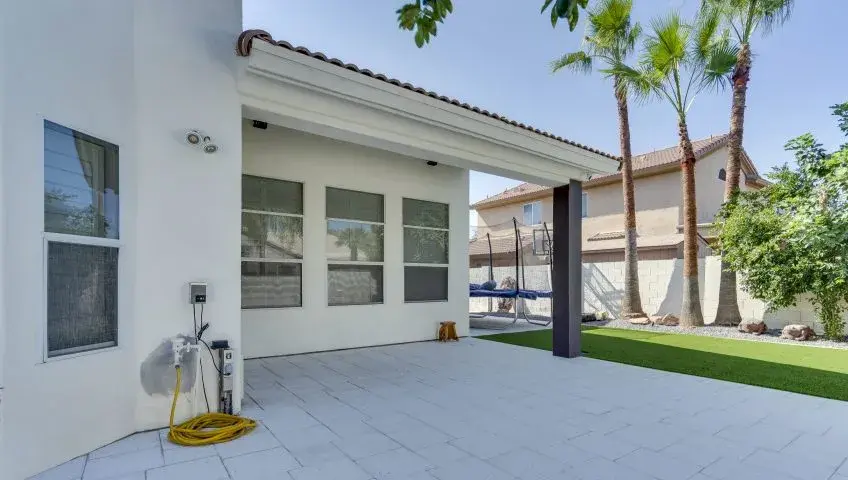
Read More about Complete Backyard Landscape Renovation in Scottsdale, AZ








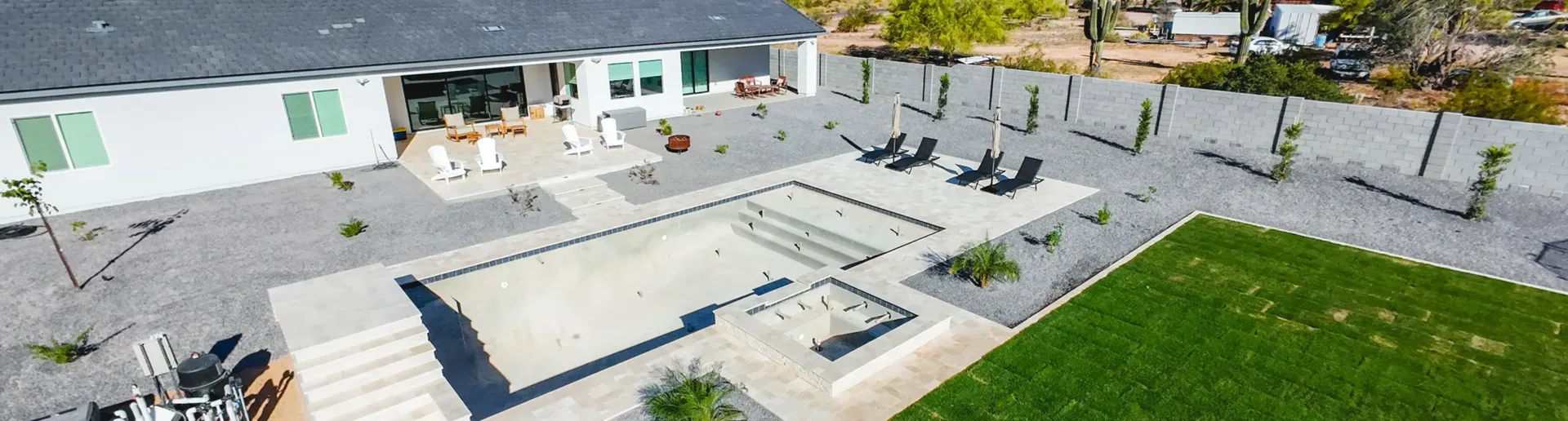
Let’s Get Started
Lorem ipsum dolor sit amet, consectetur adipiscing elit, sed do eiusmod tempor incididunt.

Phone Number
(480) 984-5040
Location
Mesa, AZ
Hours
Mon - Fri: 8 AM - 5 PM
Sat - Sun: Closed
ROC#
257502